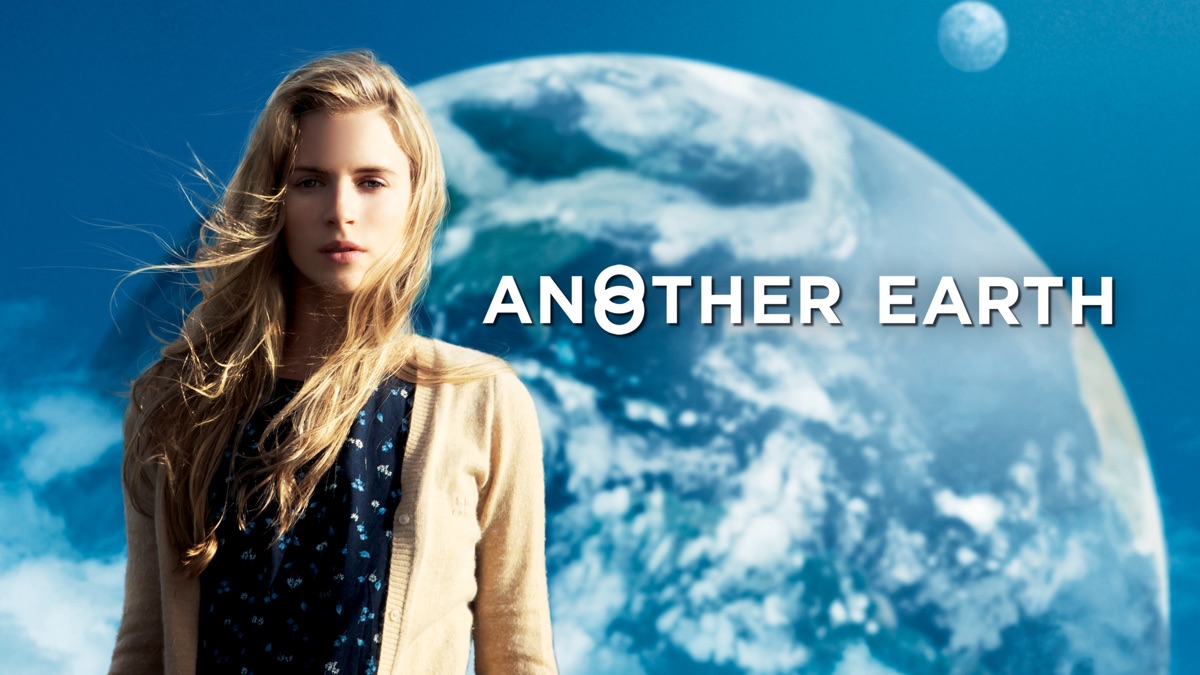
Another Earth invites viewers into a beautifully simple yet emotionally complex story where science fiction meets deep human longing. Directed by Mike Cahill, the film blends the discovery of a mysterious twin Earth with an intimate tale about grief, guilt, and the hope for redemption.
A Mirror Planet and a Chance for Redemption
The story begins with the sudden appearance of a second Earth in the sky—an identical planet orbiting our own. At the same time, Rhoda Williams, played by Brit Marling, is grappling with a tragic accident that has forever changed her life and those around her.
As Rhoda seeks forgiveness and a way forward, her path crosses with John, a composer haunted by his own losses. Their connection unfolds slowly, against the backdrop of this cosmic mystery, raising questions about fate, identity, and whether a fresh start is truly possible.
Minimalist Yet Poignant Visuals
Visually, Another Earth is restrained but effective. The striking image of the duplicate Earth hanging in the sky becomes a powerful symbol of hope and “what if.” The film’s quiet scenes, simple settings, and natural lighting give it a grounded, real-world feel that makes the sci-fi element feel personal rather than overwhelming.
The cinematography focuses on the characters’ emotions, allowing the silence and space between them to speak volumes.
Brit Marling’s Heartfelt Performance
Brit Marling delivers a nuanced portrayal of Rhoda—a young woman filled with regret but also determination to make amends. Her quiet vulnerability and strength keep the story grounded. William Mapother’s John is a perfect counterpart, with a gentle, introspective presence that deepens the film’s emotional resonance.
Their chemistry isn’t about fireworks—it’s about shared pain and the tentative steps toward healing.
Science Fiction with a Human Touch
Another Earth uses its sci-fi premise not for action or spectacle, but as a metaphor for the possibility of second chances. It explores how we live with our mistakes and wonder about alternate lives—what could have been if we had taken different paths.
The film asks gentle, philosophical questions about identity, forgiveness, and whether the chance to “start over” is something science can offer—or if it’s something we must create ourselves.
Final Thought
If you’re interested in a sci-fi film that favors emotional depth over spectacle, Another Earth is a quiet gem. It’s a contemplative, moving story about loss, hope, and the human yearning to find a new beginning—sometimes in the most unexpected places.
Author

Related Posts